
Quick Answer
How do you grow an HVAC business?
The four growth levers for a heating and air company, in the order that protects cash, and the numbers that tell you when you can afford another truck.
The short answer
- Improving ticket and close rate grows profit without adding overhead.
- Maintenance agreements grow the base of future repair and replacement work.
- Adding a truck is the most expensive lever and should come last.
- Growth at a thin margin consumes cash faster than standing still.
Lever one and two: ticket and close rate
Both use the calls you already booked. A five percent ticket increase and a five point close rate improvement often add more profit in a year than a new truck, with no added payroll or vehicle cost.
Lever three: agreements
Every agreement is a scheduled visit in a slow month and a warm lead when the system finally fails. Agreement count is the closest thing HVAC has to recurring revenue.
Lever four: the next truck
Before you sign, three things need to be true.
- Gross margin is at or above target, so more volume adds profit rather than pressure
- Existing techs are near capacity on booked calls, not just paid hours
- You have cash to cover the truck, tools, wages and ramp-up before the seat pays for itself
Why growth eats cash
New payroll, equipment and receivables all land before the revenue collects. A company can be more profitable each month and still run out of money, which is why the cash forecast matters more than the growth plan.
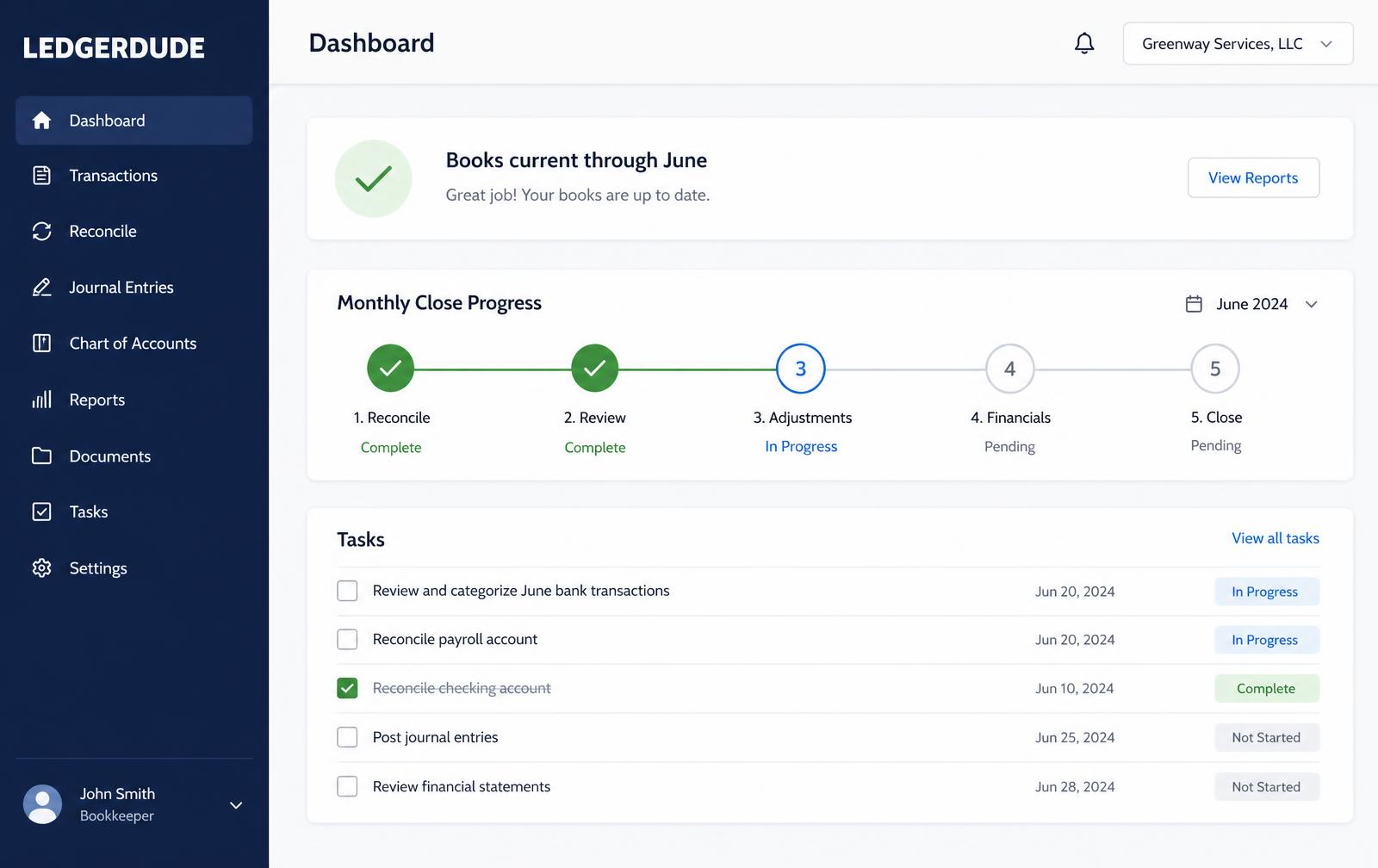
What you see inside LedgerDude
This is the page you get each month once your books are closed — the numbers behind every answer on this site.
In one sentence
Growth comes from four levers in order: raise average ticket, raise close rate, add maintenance agreements, then add a truck once margin and cash can carry the ramp-up.
Questions people ask
How much cash should I have before adding a tech?
Enough to cover the new wage, vehicle and tools for the ramp-up period, commonly three to four months, without dropping below your minimum cash floor.
Is advertising the fastest way to grow?
It is the fastest way to add calls, which only helps if your close rate and margin already work. Fix the conversion of the calls you have first.
Should I expand into a second location?
Not until the first location runs profitably without you dispatching. A second location doubles overhead before it doubles revenue.
What does this cost?
One flat monthly price. No hourly bills, no surprises. Founding plans start at $149 a month, and your rate stays locked.
Keep reading
What KPIs should an HVAC company track?
Track average ticket, gross margin by revenue line, billable hour percentage, close rate, maintenance agreement count and weeks of cash on hand.
What goes in an HVAC business plan?
An HVAC business plan needs a market and service mix, a staffing and truck plan, and a financial plan with seasonal revenue, loaded labor cost, break-even and a cash forecast.
How do contractors manage cash flow?
Forecast cash weekly for thirteen weeks, invoice the day work is complete, collect deposits on material-heavy jobs, and keep a cash floor equal to six to eight weeks of outflow.
All answers
Every question we have written a straight answer to.
Pricing
Flat monthly plans based on your revenue.
Want your books handled for you?
We read your receipts, match your bank activity, and close your books every month. You get one short list of questions and a dashboard that always tells the truth.