
Service
A fractional CFO for contractors who need the job numbers to make sense
Finance help built for trade contractors: gross margin by job and crew, loaded labor cost, a 13-week cash forecast, and pricing that covers overhead and profit.
The short answer
- A fractional CFO for contractors handles pricing, margin by job, cash forecasting and financing decisions part time.
- Service-heavy trades should target 45 to 55 percent gross margin; material-heavy work 25 to 35 percent.
- The two costliest contractor mistakes are wage-only labor costing and unbilled change orders.
- LedgerDude does the bookkeeping every day and starts at $149 a month for the first 25 customers.
Why contractor finance is its own problem
Your profit is decided in the field, weeks before it shows up in the books. Material is bought before the invoice goes out, payroll runs regardless, and receivables collect in thirty to sixty days. A general accountant averages all of that into a number that cannot be acted on.
- Cash and profit separate constantly because of job timing
- Every crew and job type earns a different margin
- Material prices move between bid and buy
- Growth consumes cash before it produces profit
Margin by job, crew and revenue line
We split labor, materials, subcontractors and overhead so you can see which work pays. Most contractors find one revenue line they assumed was strong is barely breaking even once burdened labor is loaded in.
Cash you can see thirteen weeks out
One rolling forecast built from real invoices, payroll dates and supplier terms, with the low point marked. You know before you sign whether the truck, the hire or the draw fits.
Pricing built from your cost, not a competitor's
We calculate burdened cost per billable hour, add overhead recovery, then set the rate or flat-rate book that leaves the margin you want.
Ready when a lender asks
Clean statements, a costed backlog and a forecast, packaged the way a lender reads them, so financing conversations do not start with a scramble.
Numbers worth watching
Each one is plain math you can check yourself.
| Number | How to figure it | Good range | Why it matters |
|---|---|---|---|
| Gross margin by revenue line | (Line revenue − direct labor − materials) ÷ line revenue | 45% – 55% service, 25% – 35% project | Blended margin hides the line that is losing money. |
| Burdened cost per billable hour | Total burdened employment cost ÷ billable hours | Reviewed annually | Every price built on wages instead of burdened cost is understated from the start. |
| Weeks of cash on hand | Cash ÷ average weekly operating outflow | 6 – 8 weeks | It is the number that decides whether growth is safe this quarter. |
Illustration: what splitting the revenue lines showed
- Revenue
- $2,400,000
- Blended gross margin before
- 31%
- Service line, once split out
- 49%
- Project line, once split out
- 19%
- Net profit after repricing project work
- 6% → 11%
What this tells you: Example numbers. Nothing changed in the field; the pricing on one revenue line did.
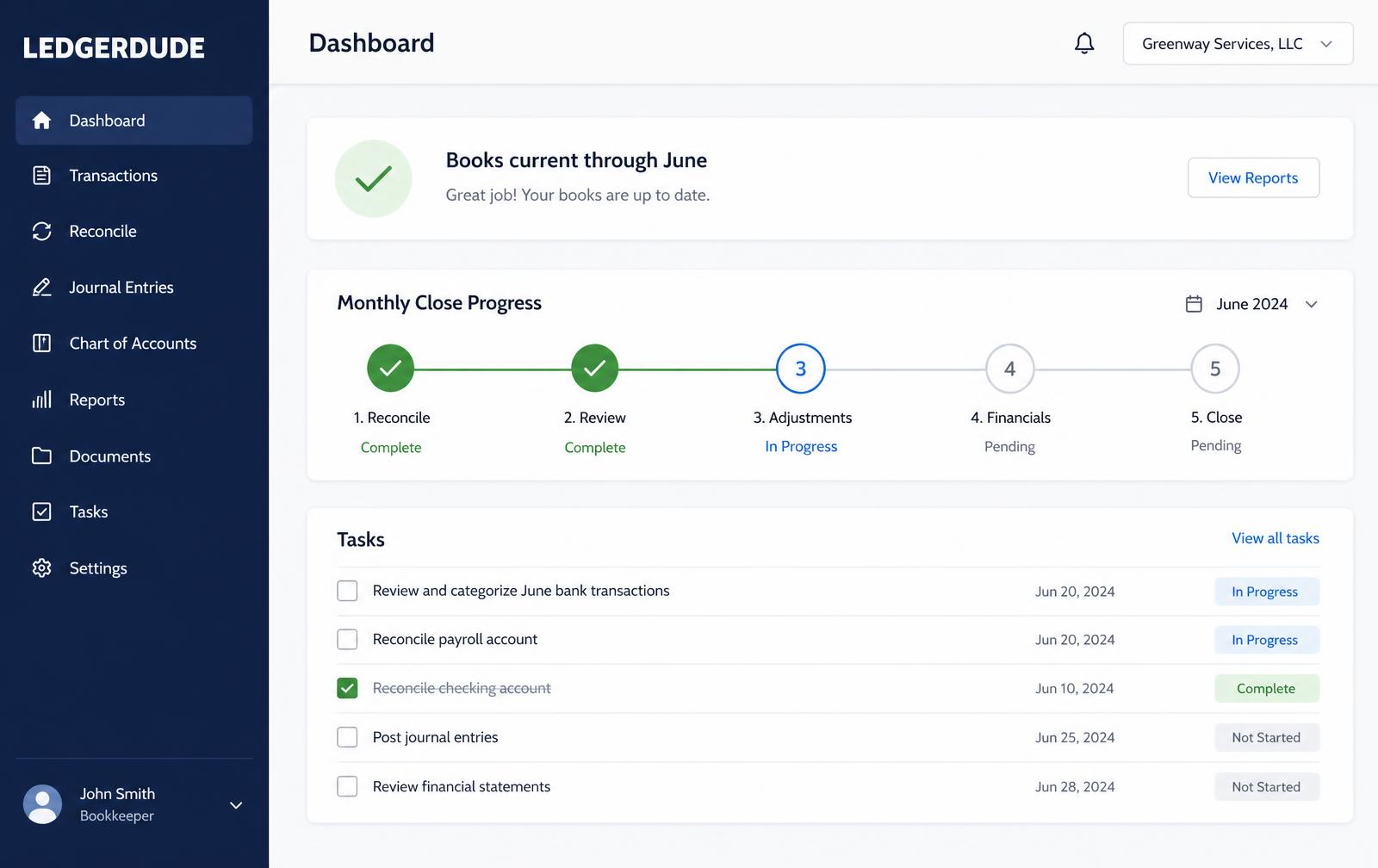
What you see inside LedgerDude
What you see when the work is done: one page with your money on it.
What is included
- Gross margin by job, crew and revenue line
- Loaded labor and burden rate math for every trade role
- Thirteen-week cash forecast with a defended cash floor
- Pricing and rate reviews built from your own cost structure
- Change order and callback cost tracking
- Numbers ready for a line of credit or equipment financing
Founding plans: $149, $249, $499 or $899 a month. Bookkeeping is included in every plan.
Related answers
Straight answers to the other questions plumbing owners ask us.
How much should a plumbing company charge per hour?
Work from loaded plumber cost of roughly $60 to $90 an hour, add overhead recovery and target margin, and most residential shops land between $120 and $200 an hour billed.
What is a good profit margin for a plumbing business?
Plumbing service work should run 50 to 60 percent gross margin, remodel and repipe work 30 to 40 percent, with 10 to 15 percent net profit for the company.
What is a good profit margin for a contractor?
Most trade contractors should run 25 to 45 percent gross margin depending on how material-heavy the work is, and 8 to 12 percent net profit.
What is labor burden rate and how do you calculate it?
Labor burden is everything an employee costs beyond wages — taxes, insurance, benefits, vehicle and tools — and it usually adds 25 to 60 percent on top of the hourly wage.
How do contractors manage cash flow?
Forecast cash weekly for thirteen weeks, invoice the day work is complete, collect deposits on material-heavy jobs, and keep a cash floor equal to six to eight weeks of outflow.
Run a different trade?
Questions people ask
Is a fractional CFO worth it for a $2M contractor?
Usually yes. At that size a few points of gross margin or one avoided bad hire is worth more than the fee, and a full-time CFO salary is not realistic yet.
Do you replace my bookkeeper?
Not necessarily. We can work alongside your bookkeeper or handle the whole stack. What matters is that the books close monthly so the advice rests on real numbers.
Which trades do you work with?
HVAC is our specialty, and the same margin, burden and cash work applies to plumbing, electrical, roofing and landscaping companies.
How long before I see anything useful?
The first month produces split revenue lines, a burdened labor rate and a thirteen-week cash forecast. Pricing changes usually follow in month two.
What does this cost?
One flat monthly price. No hourly bills, no surprises. Founding plans start at $149 a month, and your rate stays locked.
Keep reading
Home services hub
How we set the books up for your trade.
A roofing CFO who checks the job made money before the crew leaves town
Finance help for roofing companies: margin by job and crew, real overhead and profit recovery, commission tied to margin, and cash that survives a slow winter.
An electrician CFO who makes sure the bid covered the truck, not just the wire
Finance help for electrical contractors: loaded labor rates, margin by service line, bidding that recovers overhead, and cash planning around slow payers.
An HVAC CFO who knows what a busy July costs you in January
Finance help built for heating and air companies: gross margin by job, truck and tech, seasonal cash planning, and pricing that covers labor, parts and overhead.
All services
Everything we can take off your plate.
Pricing
Flat monthly plans based on your revenue.
Industries
How we set the books up for your kind of business.
Want your books handled for you?
We read your receipts, match your bank activity, and close your books every month. You get one short list of questions and a dashboard that always tells the truth.